By Dr. Matthew Loux and Bryce Loux | 03/11/2026
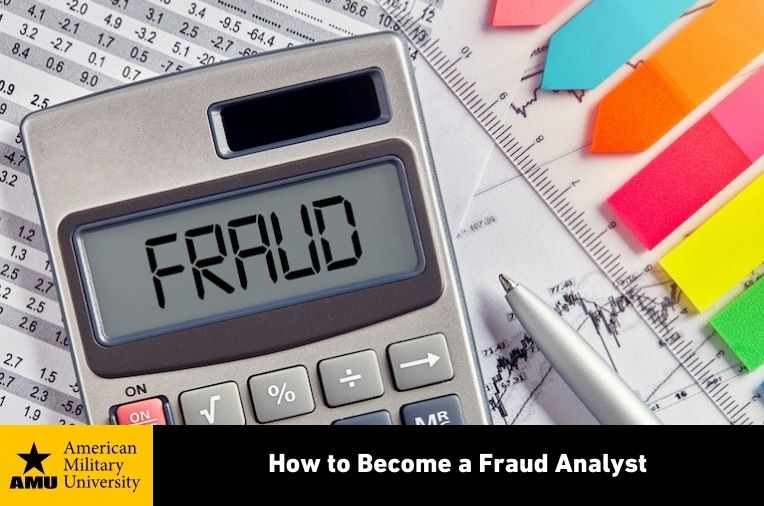
Fraud analysis is a dynamic, essential field dedicated to detecting, preventing, and investigating fraudulent activities that threaten organizations and individuals. Fraud analysts use advanced data analysis techniques and their investigative skills to uncover suspicious patterns in financial transactions and business operations. Their work in the fraud detection field is crucial in:
- Safeguarding assets
- Maintaining trust
- Ensuring compliance with legal and regulatory standards
As financial transactions and risk management become more complex and cyber threats more sophisticated, the demand for competent fraud analysts continues to grow. If you're interested in learning how to become a fraud analyst, you should:
- Have advanced problem-solving skills and analytical skills
- Enjoy financial data analysis
- Have a keen eye for details such as financial discrepancies
- Be passionate about gathering evidence to protect organizations and customers from potential fraud
The Steps Needed for a Fraud Analyst Career Path
Fraud analyst candidates should focus on building the skills and experience necessary for a fraud analyst career path. This process typically requires several steps:
- Enrolling in a degree program
- Gaining experience through internships and real-world projects
- Applying for low-level roles
- Obtaining certifications related to fraud analysis
- Building important competencies
- Seeking more advanced jobs
Enrolling in a Degree Program
Typically, a fraud analyst requires a higher education degree, such as a bachelor's degree. Relevant degrees include:
- Finance
- Accounting
- Criminal justice
- Economics
- Information technology
- Cybersecurity
- Business administration
- Computer science
It is also useful to take courses on accounting, data management, data analytics, and information technology.
Gaining Experience through Internships and Real-World Projects
Internships can involve banking and financial services, corporate insurance, compliance, or risk management, or they can also be in the fraud divisions of government agencies. Gaining practical experience through internships and real-world projects is essential for gaining a knowledge of fraud detection and learning how to create an analysis of financial data.
Participating in case studies and hands-on activities involving data analysis and computer science helps with skill development and detection of fraudulent activities. It also offers prospective fraud analysts a practical way to sharpen common skills used in this field, such as data analysis, analytical thinking, and risk assessment.
Obtaining Certifications Related to Fraud Prevention and Detection
To better your qualifications and stand out from competitors, obtaining certifications related to fraud prevention and detection is useful. Valuable certifications include:
- Certified Fraud Examiner (CFE®) – This credential is offered through the Association of Certified Fraud Examiners (ACFE) and is one of the more recognized certifications.
- Certified Financial Crime Specialist (CFCS®) – This certification is centered around financial crimes and money laundering.
- Certified Anti-Money Laundering Specialist (CAMS®) – This credential is geared towards banking and financial institutions.
- Certified Information Systems Auditor (CISA®) – This certification is often required for fraud analysts who work in information technology or cybersecurity.
- Certified Information Security Manager (CISM®) – This credential provides proof of your expertise in developing and managing an organization's information security.
Applying for Low-Level Roles
Aspiring fraud analysts should seek low-level roles at first to enhance essential skills, such as their analytical skills and investigative techniques. These jobs include:
- Junior fraud analyst
- Risk analyst
- Compliance analyst
- Financial analyst
Fraud analysts must have the ability for detecting frauds related to irregularities in financial transactions, insurance claims, or online activity. Some types of fraud they may encounter include:
- Credit card or bank account fraud
- Insurance claim fraud
- Identity theft and phishing schemes
- Online marketplace scams
- Internal corporate fraud
Building Important Competencies
Over time, aspiring fraud analysts should enhance their fraud detection and investigation abilities. In addition, they should develop various skills, such as
- Strong communication skills for discussing complex data, critical insights, and findings in presentations and written reports to leadership and other stakeholders
- Research skills and analytical abilities for data evaluation, risk analysis, and risk management recommendations
Fraud analysts should have a broad knowledge of fraud detection, forensic accounting, statistical analysis, and cybercrime. In addition to the relevant education, continuous learning is a must. To build a successful career path, fraud analysts need to stay updated on changes to fraud detection, technology and internal control systems, and legislation.
Seeking More Advanced Jobs
After improving their knowledge and technical skills – as well as gaining the right certifications – aspiring analysts can then prepare to seek a senior fraud analyst role or even a leadership position. When answering job postings, however, expect a competitive selection process that involves:
- Aptitude tests
- Analytic problem-solving tests
- A background check
Fraud analysts also have the option of specialization. Some experienced fraud analysts may choose to move into a role such as:
- Fraud management specialist
- Risk manager
- Forensic investigator
- Fraud investigator for corporations
- Cyber fraud investigator
- Financial crimes intelligence analyst
Where Do Fraud Analysts Work?
Analysts in fraud detection and prevention typically work for different employers, such as:
- Banks
- Insurance companies
- E-commerce companies
- Government offices
- Cybersecurity companies
Fraud analysts' work involves preventing money loss and avoiding legal issues for their organization. Fraud analysts monitor financial activities for any suspicious activity, using machine learning, artificial intelligence, and other practical tools.
Key Skills Required to Be a Fraud Analyst
A fraud analyst requires an ability to think critically and use logic to break down various complex issues. In addition, a fraud analyst must be adept with technologies related to fraud investigation, such as:
- Fraud detection software
- Data analysis tools
- Data visualization software
- Structured Query Language (SQL)
- Cybersecurity software
- Microsoft Excel®
Being proficient with technology allows fraud analysts to automate the detection of fraud, decrease the number of errors, and conduct a more thorough investigation. Proficiency in Microsoft Excel and data visualization software is helpful. These tools help fraud analysts to gain access to information, identify suspicious activities, communicate their findings effectively, and recommend prevention strategies.
Staying Informed about Industry Trends
For fraud analysts, staying ahead of emerging threats and evolving technologies is vital to effective fraud detection and prevention. As technology advances, new vulnerabilities and regulatory changes appear. To remain effective, fraud analysts must continuously update their knowledge of regulatory compliance (especially for financial institutions), fraud detection software, and the latest data analysis tools.
Aspiring fraud analysts can gain valuable knowledge in various ways to aid their career growth, including:
- Reading or writing for industry publications
- Attending conferences
- Staying in contact with peers through professional networks
- Participating in online forums
Becoming more familiar machine learning and artificial intelligence also enables fraud analysts to identify potential fraud more efficiently and accurately. By embracing continuous learning and staying informed about industry trends, fraud analysts position themselves as valuable assets in the fight against financial crime.
The Bachelor of Arts in Criminal Justice at AMU
For adult learners seeking to gaining a solid understanding of financial frauds and other crimes, American Military University (AMU) offers an online Bachelor of Arts in Criminal Justice. This bachelor’s degree in criminal justice offers online courses in criminal law, the criminal legal process, and ethics in criminal justice. Other courses include criminal profiling, crime analysis, and U.S. law enforcement.
AMU’s B.A. in criminal justice offers four different concentrations, enabling students to choose a concentration best suited to their professional development. These concentrations include:
- Maritime law enforcement
- General
- Entrepreneurship
- Organizational law enforcement leadership
For more details about the B.A. in criminal justice, visit AMU’s criminal justice degree program page.
Note: This degree program is not designed to meet the educational requirements for professional licensure or certification in any country, state, province, or other jurisdiction. This program has not been approved by any state professional licensing body and does not lead to any state-issued professional licensure.
Certified Fraud Examiner is a registered trademark of the Association of Certified Fraud Examiners.
Certified Financial Crimes Specialist is a registered trademark of the Association of Certified Financial Crime Specialists.
Certified Anti-Money Laundering Specialist is a registered trademark of the Association of Certified Anti-Money Laundering Specialists, LLC.
Certified Information Systems Auditor and Certified Information Security Manager are registered trademark of the Information Systems Audit and Control Association.
Microsoft Excel is a registered trademark of the Microsoft Corporation.
Dr. Matthew Loux is a criminal justice faculty member for the School of Security and Global Studies at American Military University. He holds a bachelor’s degree in criminal justice and a master’s degree in criminal justice administration from the University of Central Missouri State, a doctoral degree in management from Colorado Technical University, and a Ph.D. in educational leadership and administration from Aspen University.
Dr. Loux has been in law enforcement for more than 30 years. He has a background in fraud and criminal investigation, as well as hospital, school, and network security. Dr. Loux has researched and studied law enforcement and security best practices for the past 10 years.
Bryce Loux is an alumnus of American Public University. He holds a bachelor’s degree in fire science with a minor in criminal justice. Bryce is currently a student success coach.